📞  — free, 24/7
— free, 24/7 — free, 24/7Medications and therapies for managing Parkinson's disease and related movement disorders. Includes levodopa formulations, dopamine agonists, MAO-B and COMT inhibitors, anticholinergics, amantadine, transdermal patches and infusion pumps, plus options for motor and non-motor symptoms.
Medications and therapies for managing Parkinson's disease and related movement disorders. Includes levodopa formulations, dopamine agonists, MAO-B and COMT inhibitors, anticholinergics, amantadine, transdermal patches and infusion pumps, plus options for motor and non-motor symptoms.
Medications grouped under "Parkinson's Disease" are aimed at managing the symptoms associated with Parkinsonism, a neurological condition that primarily affects movement. These products target features such as slowness of movement (bradykinesia), muscle stiffness (rigidity), tremor, and balance difficulties, and some also affect related non-motor symptoms like sleep disturbances or mood changes. The focus of this category is symptomatic treatment rather than a cure, and the available medicines vary by mechanism and effect duration.
People typically use these medicines to reduce daily motor problems and to smooth out fluctuations in symptom control that can occur over time. Some treatments are prescribed for steady, baseline symptom control while others are added when patients develop "off" periods—times when symptoms return before the next dose is due. Certain agents are preferred when tremor predominates, others when slowness or stiffness is most disabling, and some are chosen to address medication-induced complications such as dyskinesia or sudden wearing-off.
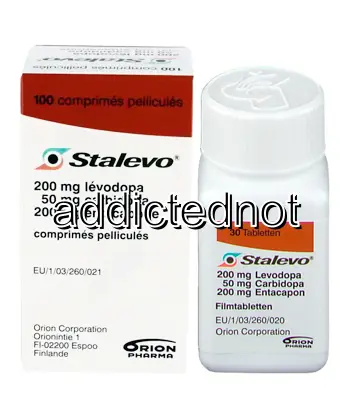
Different pharmacologic classes appear in this category. Levodopa preparations combined with a dopa-decarboxylase inhibitor, such as levodopa/carbidopa formulations, remain a central option and are available in both immediate-release and controlled-release forms (examples include Sinemet and Sinemet CR, and combination forms such as Stalevo that include additional components). Dopamine agonists like pramipexole and ropinirole (commonly known by trade names such as Mirapex and Requip) mimic dopamine activity and are another major group. Enzyme inhibitors that reduce dopamine breakdown, such as MAO-B inhibitors (for example, selegiline, also called Eldepryl) and COMT inhibitors included in combination products, are also represented. Anticholinergic agents (for example, trihexyphenidyl/Kemadrin and Artane) and antiviral agents with dopaminergic effects (such as amantadine/Symmetrel) may be used for specific symptoms or side-effect management.
The ways these medicines are used in practice depend on factors such as symptom pattern, age, overall health, and response to earlier therapies. Some medications are started at low doses and adjusted to balance benefit and tolerability, while others may be added to existing therapy to manage fluctuations. Immediate-release formulations tend to act quickly but may require more frequent dosing, whereas controlled-release or extended formulations are intended to provide longer symptom coverage. Combination products can simplify regimens by packaging two or more mechanisms into a single tablet.
Safety considerations vary by drug class and individual patient characteristics. Common adverse effects across different treatments include nausea, dizziness or low blood pressure on standing, sleepiness, and changes in mood or behavior. Long-term levodopa use is associated with the development of involuntary movements in some people, while dopamine agonists have been linked to impulse-control changes in a subset of users. Interactions with other medications and underlying conditions can affect tolerability, and formulations with different release profiles carry different risks and benefits. Product information and prescribing guidance typically summarize these considerations for each medicine.
When people compare options within this category they often look at how well a medicine controls their primary symptoms, how long its effect lasts, dosing frequency and convenience, side-effect profile, and formulation type such as immediate versus controlled release or single-tablet combinations. Other practical factors include pill size and ease of swallowing, monitoring requirements, and how a treatment fits into daily routines. Clear information about mechanism, typical uses, and common side effects helps consumers understand the choices available and the reasons a prescriber might select one option over another.