📞  — free, 24/7
— free, 24/7 — free, 24/7Products for supporting urinary tract and bladder health, including UTI symptom relief and prevention, urinary test strips, probiotics and supplements, bladder control aids, incontinence pads and catheters, and related hygiene items.
Products for supporting urinary tract and bladder health, including UTI symptom relief and prevention, urinary test strips, probiotics and supplements, bladder control aids, incontinence pads and catheters, and related hygiene items.
Urinary Health covers medicines used to address a range of bladder and lower urinary tract symptoms that many people experience at various times in life. Typical concerns include sudden urges to urinate, increased frequency both day and night, involuntary leakage, and difficulty starting or maintaining a urine stream. Products in this area are intended to modify bladder muscle activity, relax or tighten certain pathways, or relieve spasms in the urinary tract, so they can be appropriate in different situations depending on the underlying cause of symptoms.
Common use cases focus on symptom control rather than curing underlying conditions. For example, some medicines are used for overactive bladder and urge incontinence to reduce urgency and episodes of leakage, while others are designed to improve urine flow in men who have trouble emptying the bladder due to prostate-related changes. Short-term use can manage acute bladder spasms, whereas longer-term treatment plans aim to lessen recurring symptoms and improve daily comfort and sleep by reducing nocturia and daytime frequency.
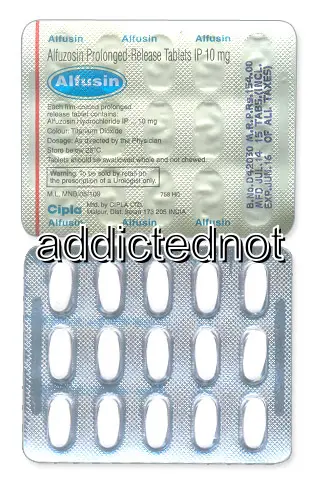
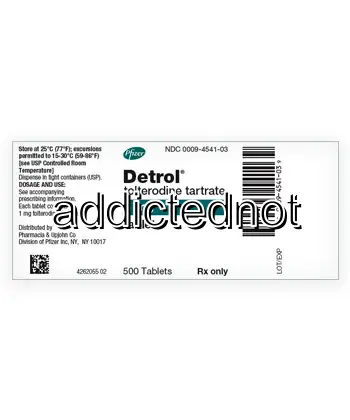
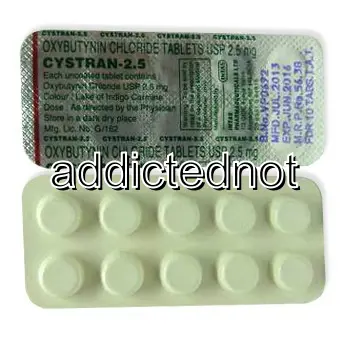
Medications in this category fall into several pharmacological classes. Antimuscarinic or anticholinergic agents—represented by products such as tolterodine (often seen as Detrol or Detrol LA) and oxybutynin (as in Ditropan or transdermal Oxytrol)—work by relaxing bladder muscle contractions. Selective agents like solifenacin (branded as Vesicare) target similar pathways with different dosing profiles. Alpha‑blockers such as tamsulosin (Flomax), alfuzosin (Uroxatral), terazosin (Hytrin) and older agents like prazosin (Minipress) primarily affect smooth muscle in the prostate and bladder neck to improve urinary flow. Antispasmodics such as flavoxate (Urispas) can be used to ease bladder muscle cramps. Formulations vary from immediate-release tablets to extended‑release capsules and transdermal patches.
How these medicines are used depends on the formulation and the symptom pattern they are intended to treat. Extended‑release forms are often chosen to provide more consistent symptom control with once‑daily dosing, while immediate‑release options may be used when shorter duration of effect or dose titration is preferred. Transdermal patches offer an alternative route of delivery for those who have difficulty swallowing tablets or who seek steadier systemic exposure. Dosing schedules, recommended durations, and monitoring needs are described in product labeling and prescribing information for each medicine.
General safety considerations emphasize awareness of common side effects and potential interactions. Antimuscarinic agents frequently cause dry mouth, constipation, blurred vision, and sometimes cognitive effects in older adults; alpha‑blockers can lead to dizziness, lightheadedness, or a drop in blood pressure when standing. Drug interactions, pre‑existing medical conditions, and age can influence tolerability and suitability. Contraindications and precautions differ between agents, and product packaging contains information on risks and recommended monitoring for each specific medicine.
When comparing options, people typically consider how well a medicine controls their particular symptoms, how often it must be taken, and the likelihood of side effects that affect daily life. Formulation preference (tablet, extended‑release capsule, or patch), onset of action, and whether a prescription is required are also important factors; availability varies by product and region. Clear information on dosing, known adverse effects, and any laboratory or follow‑up requirements helps users make informed choices in consultation with the prescribing information and other reliable sources of product information.