📞  — free, 24/7
— free, 24/7 — free, 24/7Medications and supplements for preventing and treating bone loss, fractures, and low bone density. Includes bisphosphonates, hormone therapies, calcium and vitamin D supplements, bone-strengthening agents, and related monitoring and dosing information.
Medications and supplements for preventing and treating bone loss, fractures, and low bone density. Includes bisphosphonates, hormone therapies, calcium and vitamin D supplements, bone-strengthening agents, and related monitoring and dosing information.
Osteoporosis medications are medicines and supplements intended to maintain or improve bone strength and to reduce the risk of fractures associated with low bone density. They target the processes that control bone turnover — the balance between bone formation and bone breakdown — so that bones retain more mass and structural integrity over time. This category covers both prescription drugs that modify bone metabolism and over‑the‑counter mineral and vitamin preparations that support skeletal health.
Common clinical reasons for using these products include prevention of first fractures in people at elevated risk, treatment after a fragility fracture, and management of bone loss caused by aging, hormonal changes, or certain long‑term medications. Some individuals receive these medicines as part of a broader plan to slow the progression of osteoporosis, while others use supplements to correct or prevent low calcium or vitamin D levels that can contribute to weakened bones.
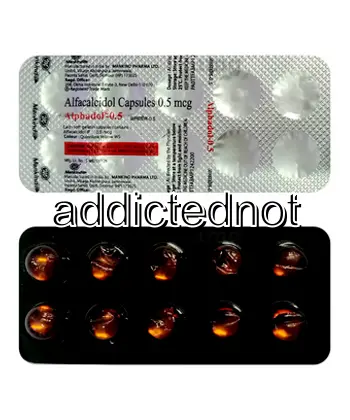
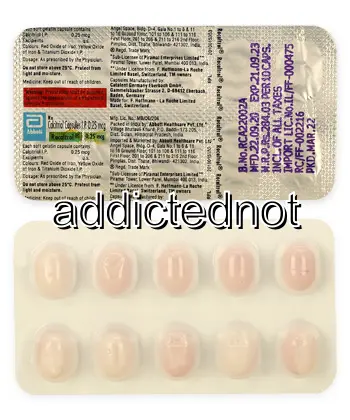
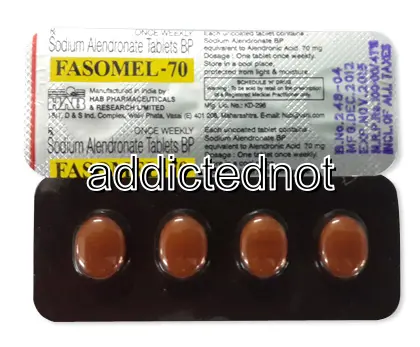
Types of medications found in this category include several drug classes and supportive supplements. Antiresorptive drugs such as bisphosphonates are widely used to slow bone resorption; a typical example is alendronate (often recognized under trade names as well). Active vitamin D analogues and related compounds — for example alfacalcidol (alfacip) and calcitriol (Rocaltrol) — help the body use calcium more effectively. Mineral supplements, notably calcium carbonate, supply the elemental calcium needed for bone mineralization. Other therapeutic options available in practice may include parathyroid hormone analogues, selective estrogen receptor modulators and calcitonin, each with distinct mechanisms and usual indications.
These medicines are supplied in a variety of formulations and schedules to suit different clinical needs and personal preferences. Oral tablets and liquids are common for both supplements and many prescription agents, with some prescription drugs also available as periodic intravenous infusions administered in clinic settings. Dosing intervals vary widely across products, from daily oral regimens to weekly tablets or yearly infusions, which influences how patients and prescribers plan long‑term treatment.
Safety profiles differ between categories. Gastrointestinal tolerance is a notable consideration for some oral osteoporosis drugs, while vitamin D analogues and calcium supplements affect serum calcium and may require attention to kidney function in certain circumstances. Rare but serious effects have been associated with long‑term use of particular agents; clinicians therefore consider potential benefits alongside risks when selecting or continuing therapy. Drug interactions, coexisting medical conditions and the need for periodic monitoring tests are typical elements of safe use.
When people compare options within this category they commonly weigh effectiveness at reducing fracture risk, dosing convenience and frequency, side‑effect likelihood, route of administration, compatibility with other medications or supplements, and availability of generic formulations. Practical concerns such as pill size, need for monitoring and how a medicine fits into everyday routines are also frequently important. These factors, together with individual health context, generally inform which products are considered suitable for each person.