📞  — free, 24/7
— free, 24/7 — free, 24/7Migraine covers prescription and over-the-counter options for preventing and treating migraine attacks, including triptans, NSAIDs and analgesics, antiemetics, preventive medications (beta-blockers, anticonvulsants, CGRP agents) and supportive relief products for nausea and light/sound sensitivity.
Migraine covers prescription and over-the-counter options for preventing and treating migraine attacks, including triptans, NSAIDs and analgesics, antiemetics, preventive medications (beta-blockers, anticonvulsants, CGRP agents) and supportive relief products for nausea and light/sound sensitivity.
Migraine products cover medicines intended to treat or reduce the frequency of migraine headaches and the symptoms that come with them, such as throbbing head pain, nausea, light and sound sensitivity. The category includes short‑term treatments aimed at stopping an individual attack as well as longer‑term preventive therapies intended to reduce how often and how severely attacks occur. Items range from widely available over‑the‑counter pain relievers to prescription‑only, specialist medications developed specifically for migraine mechanisms.
People use medicines in this category in two main situations: acute relief and prevention. Acute or abortive treatments are taken when a headache begins or shortly after onset to relieve pain and associated symptoms. Preventive or prophylactic medicines are taken regularly over weeks or months when headaches are frequent or particularly disabling, with the goal of decreasing attack frequency, intensity, or duration. Some products are also used as adjuncts to manage nausea or to improve tolerance of other migraine drugs.
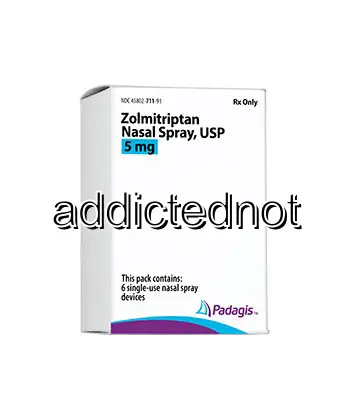
Typical types of medications found in the migraine category include common analgesics such as acetaminophen (paracetamol), aspirin and nonsteroidal anti‑inflammatory drugs (NSAIDs) like ibuprofen or naproxen for milder episodes; triptans such as sumatriptan, rizatriptan, eletriptan, zolmitriptan and naratriptan designed to target migraine pathways for moderate to severe attacks; ergot derivatives including ergotamine and dihydroergotamine used less frequently; and antiemetics such as metoclopramide or domperidone to help control nausea. Newer classes and options for acute use include ditans (for example, lasmiditan) and gepants (for example, rimegepant and ubrogepant). Preventive medicines commonly encountered here include beta‑blockers like propranolol, some anticonvulsants such as topiramate, certain antidepressants for migraine prevention like amitriptyline, and targeted biologic therapies including monoclonal antibodies against CGRP pathways (for example, erenumab and other CGRP inhibitors).
Formulations vary to match patient needs and the characteristics of attacks: oral tablets and capsules are common, while nasal sprays and injectable or subcutaneous options can provide faster absorption when vomiting or rapid onset is required. Frequency of use, onset of effect and duration differ substantially across classes; some medicines are intended for single‑attack use, others for daily preventive dosing, and some newer agents offer both acute and short‑term preventive benefits. Over‑the‑counter choices are often the first option for mild episodes, while prescription medications are typically selected for more severe, recurrent or treatment‑resistant migraines.
Safety considerations are an important part of selecting any migraine medicine. Different drug classes come with different side‑effect profiles, potential drug interactions and suitability for people with certain medical conditions. Product information leaflets contain details on adverse effects, contraindications and precautions. Pharmacists and prescribers are sources of individualized information about tolerability and compatibility with other medications and health conditions. Proper storage, adherence to recommended dosing intervals, and awareness of whether a product is intended for occasional versus regular use are practical safety factors to note.
When choosing a migraine medicine, consumers commonly consider how quickly it works, how long relief lasts, route of administration, tolerability and side effects, whether a prescription is required, and how treatment fits with other health needs or medications. Other practical concerns include the frequency of dosing, convenience for travel or work, and whether a product is designed for single‑attack use or ongoing prevention. Clear information about indications, typical effects and regulatory status helps people compare options and make informed choices about products in this category.