📞  — free, 24/7
— free, 24/7 — free, 24/7Medications and related products for gout: treatments to relieve acute attacks, lower and control uric acid levels, manage pain and inflammation, and help prevent future flares. May include prescription drugs, over-the-counter pain relievers, and supportive supplements.
Medications and related products for gout: treatments to relieve acute attacks, lower and control uric acid levels, manage pain and inflammation, and help prevent future flares. May include prescription drugs, over-the-counter pain relievers, and supportive supplements.
Medications for gout are aimed at relieving the symptoms of this form of inflammatory arthritis and, in many cases, reducing the level of uric acid in the body over time. Gout arises when uric acid crystals collect in joints and soft tissues, provoking pain, swelling and stiffness. Products in this category are used either to treat sudden painful attacks or to modify the underlying processes that lead to recurrent episodes. They are prescribed as part of a broader care plan that can include lifestyle measures and monitoring.
People typically use different medicines depending on whether the goal is immediate symptom relief or long‑term prevention. Acute flares are often managed with anti-inflammatory drugs to reduce pain and swelling, while separate agents are taken regularly to lower uric acid and prevent future attacks. Some therapies are used briefly to prevent flares that may occur when starting long‑term urate-lowering treatment. The choice and timing of medications depend on the pattern of symptoms and any other health conditions a person may have.
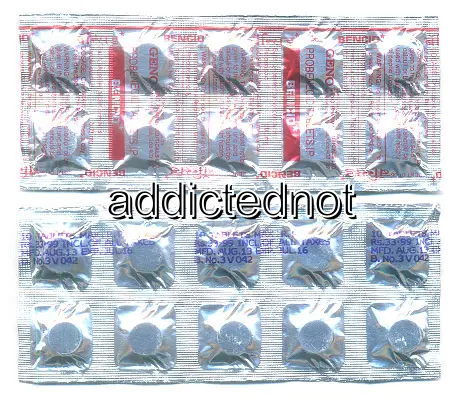
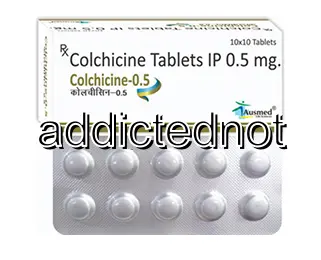
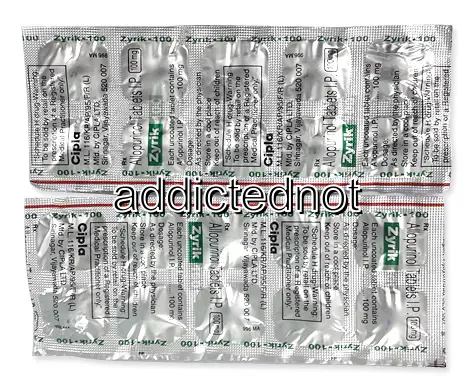
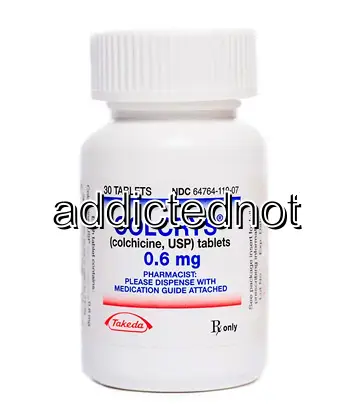
This category includes several types of medicines. Anti‑inflammatory options used for flares include colchicine, which is available as a generic and under brand names such as Colcrys; it acts on inflammatory pathways to shorten or reduce the intensity of attacks. Longer‑term urate‑lowering therapies include xanthine oxidase inhibitors such as allopurinol, commonly marketed under names like Zyloprim, which reduce uric acid production. Uricosuric agents, for example Benemid (probenecid), increase the kidney’s elimination of uric acid. There are also other agents and supportive treatments that may be used in specific situations or when first-line options are unsuitable.
General safety considerations focus on interactions, organ function and tolerability. Many gout medicines require dose adjustments for people with impaired kidney or liver function, and some can interact with common drugs for blood pressure, heart disease or infections. Side effects differ by drug class: colchicine commonly causes gastrointestinal upset at higher doses, xanthine oxidase inhibitors can rarely cause hypersensitivity reactions, and uricosurics may be less effective if kidney function is reduced. Clinicians commonly recommend monitoring tests when initiating or changing long‑term therapies to check kidney function and other parameters.
When selecting a medicine, users typically weigh how quickly relief is needed, how frequently attacks occur, other medical conditions, and potential interactions with existing medications. Ease of use, such as dosing frequency and tablet strengths, and whether a product is available as a generic or specific brand are practical considerations for many people. Patients and pharmacists often discuss which options fit best with ongoing treatments, comorbidities and monitoring needs to arrive at a suitable plan that balances effectiveness and tolerability.