📞  — free, 24/7
— free, 24/7 — free, 24/7Medications used to treat parasitic infections such as intestinal worms, protozoa, lice, and scabies. Includes oral, topical and systemic agents that kill or inhibit parasites; formulations vary by infection and may require medical diagnosis.
Medications used to treat parasitic infections such as intestinal worms, protozoa, lice, and scabies. Includes oral, topical and systemic agents that kill or inhibit parasites; formulations vary by infection and may require medical diagnosis.
Antiparasitics are medicines designed to treat infections caused by organisms that live on or inside the human body and draw nutrients from their host. The category covers agents active against a range of parasites, including single-celled protozoa, intestinal and tissue-dwelling worms (helminths), and external parasites such as lice and mites. Rather than a single mode of action, antiparasitic drugs either kill the parasite, inhibit its growth or reproduction, or alter the parasite’s environment so it can no longer survive in the body.
Common situations where these medicines are used include intestinal worm infections acquired through contaminated food, soil or water, protozoal infections contracted during travel or from contaminated food, and infestations of the skin or scalp. Some antiparasitics are used for short courses to clear a localized infection, while others are given for longer periods when parasites have invaded tissues or organs. In regions where certain parasitic diseases are endemic, these drugs can also be used in community-wide treatment programs to reduce transmission.
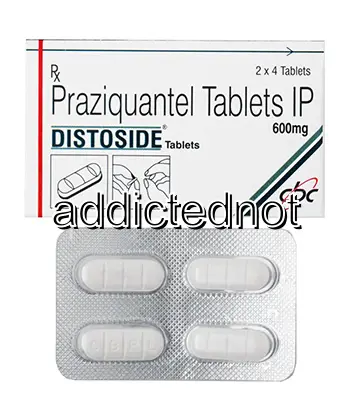
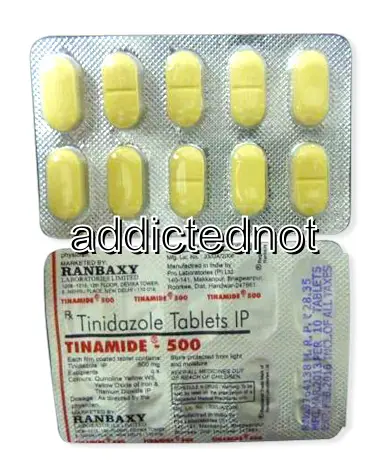
The range of medications in this category includes several different drug classes and familiar names. Anthelmintics target worms and include agents such as albendazole and mebendazole, which are often used for a variety of intestinal nematodes, and praziquantel, commonly used for schistosomiasis and tapeworms. Ivermectin is active against certain intestinal parasites and external parasites, and tinidazole is an example of an antiprotozoal used for infections caused by protozoa. The medicines Albenza (albendazole), Biltricide (praziquantel), Stromectol (ivermectin), tinidazole and Vermox (mebendazole) illustrate the kind of options available for different types of parasitic infections.
Safety considerations vary by drug and by the type of infection being treated. Side effects can range from mild, transient symptoms such as nausea, headache or abdominal discomfort to more significant laboratory changes in liver enzymes or rare serious reactions. Certain antiparasitics have age limits, contraindications related to pregnancy or breastfeeding, and potential interactions with other medicines. Product information and official prescribing guidance outline these considerations and describe required monitoring, when applicable.
Consumers often look for information about which medication targets a particular parasite, how quickly it acts, whether treatment is a single dose or a longer regimen, and the route of administration (oral tablet, topical cream or lotion). Other common concerns include safety for children or pregnant people, the likelihood and nature of side effects, and whether follow-up testing is typically needed to confirm that the infection has cleared. Some prefer generic names while others search by familiar brand names; availability and regulatory approvals differ by region.
Patterns of use include single-dose cures for many uncomplicated intestinal worms, short courses for some protozoal infections, and extended regimens for tissue-invasive disease. In addition to individual treatment, certain antiparasitics are employed in public health settings to reduce the prevalence of endemic parasites across communities. Diagnostic testing and laboratory confirmation commonly guide the selection of an appropriate agent and the length of therapy, and information provided with each product describes its approved uses and precautions.